
8.38 laminated glass
Understanding Pilot Check Valves Function, Applications, and Benefits In the realm of fluid control systems, the pilot check valve is a crucial component that plays a significant role in maintaining system integrity and efficiency. Unlike standard check valves that solely prevent reverse flow, pilot check valves offer advanced functionality, making them indispensable in various industrial applications. What is a Pilot Check Valve? A pilot check valve is a type of check valve equipped with a pilot mechanism that allows for controlled operation. The primary function of this valve is to prevent backflow while also enabling flow in one direction under specific conditions. This dual functionality is achieved through the integration of an additional control element, which can respond to changes in pressure, allowing for precise regulation of fluid flow. How Does it Work? The operation of a pilot check valve is relatively straightforward yet highly effective. When fluid flows in the designated direction, the valve opens, allowing the fluid to pass. However, in the event of a pressure drop or reversal of flow, the pilot mechanism activates, causing the valve to close. This action effectively prevents backflow, safeguarding downstream components and maintaining system pressure. The pilot mechanism can be adjusted based on system requirements, allowing operators to set the threshold pressures for valve operation. This capability grants engineers significant flexibility in designing systems that require specific flow conditions, thereby enhancing overall efficiency. Applications of Pilot Check Valves Pilot check valves are widely used across various industries due to their versatility and reliability . Key applications include 1. Hydraulic Systems In hydraulic machinery, these valves control fluid flow in systems such as excavators, forklifts, and mobile equipment, ensuring that the hydraulic fluid doesn't flow back when not required. 2. Water Management In municipal water systems, pilot check valves prevent backflow that could contaminate the water supply, ensuring clean and safe water delivery to consumers. pilot check valve 3. Chemical Processing In the chemical industry, maintaining the integrity of fluid systems is vital. Pilot check valves help manage chemical flows, preventing backflow that could lead to dangerous spills or reactions. 4. Oil and Gas These valves are also prominently used in the oil and gas sector, where they help ensure proper flow direction and pressure control in pipeline systems. 5. Cooling Systems In HVAC applications, pilot check valves help regulate the flow of coolant, preventing backflow that could lead to inefficiencies and damage to the system. Benefits of Pilot Check Valves The incorporation of pilot check valves into fluid systems presents numerous advantages - Enhances System Safety By preventing backflow, these valves protect equipment and systems from potential damage, ensuring safer operations. - Improves Efficiency The ability to control flow direction and pressure optimizes system performance, reducing energy consumption and operational costs. - Flexibility in Design Engineers can customize pilot check valves to meet specific system requirements, enhancing the overall functionality of fluid control systems. - Reduces Maintenance Needs With their reliable operation and effective backflow prevention, pilot check valves can lead to reduced wear and tear on system components, lowering maintenance frequency and costs. Conclusion In summary, pilot check valves are essential components in numerous industrial applications, offering enhanced functionality and reliability compared to standard check valves. Their ability to control fluid flow direction while preventing backflow significantly contributes to the efficiency and safety of various systems. As industries continue to evolve and demand more sophisticated fluid control solutions, pilot check valves will undoubtedly remain pivotal in optimizing performance across a myriad of applications. Understanding their operation and advantages is crucial for engineers and operators aiming to design and maintain highly effective fluid systems.
about
8.38 laminated glass
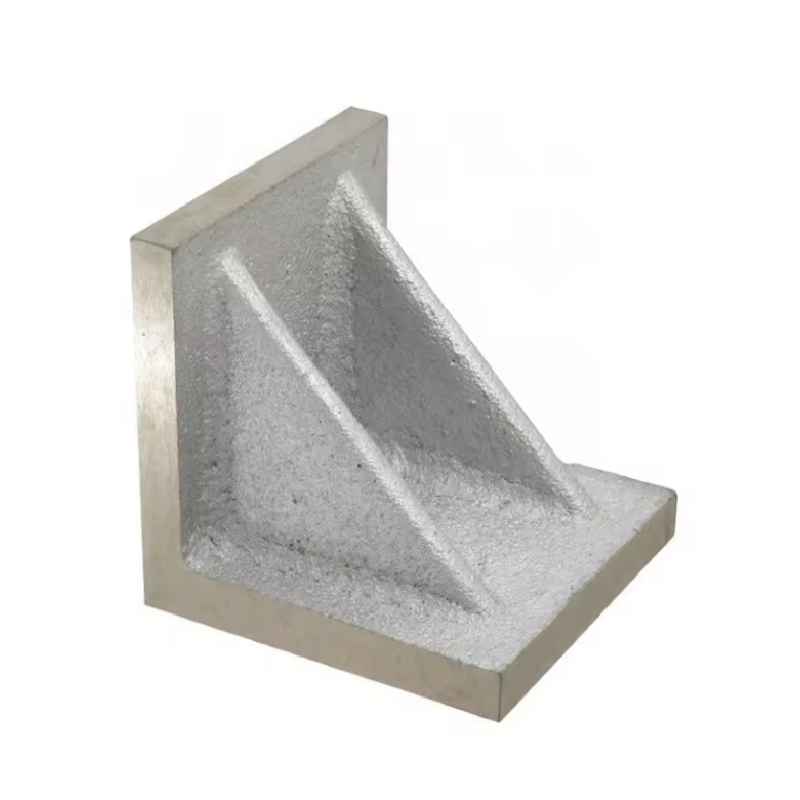
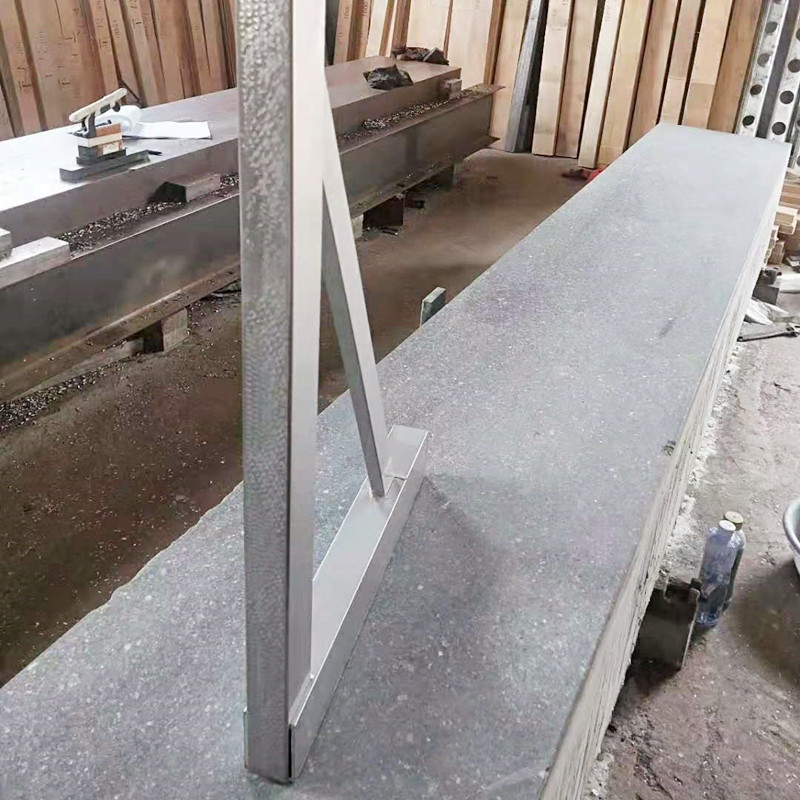
Whether you are working on a DIY project or need professional-grade precision for your industrial work, the 90-degree angle square and metal right angle square are essential tools for accurate measurements. These tools are crucial for checking squareness, ensuring flatness, and assisting in alignment tasks in various industries, from woodworking and metalworking to machining and construction. This article will explore the different types of right angle square rulers , their applications, and how they can improve your projects by providing consistent and reliable measurements. Why Choose a 90 Degree Angle Square for Precision The 90-degree angle square is one of the most widely used tools in construction, metalworking, and woodworking. This simple yet effective tool ensures that your workpieces are aligned perfectly, preventing any misalignment during assembly. It is typically used for checking right angles, ensuring that corners are square, and verifying the overall geometry of the project. In construction and carpentry, a 90-degree angle square is invaluable for framing, cabinetry, and floor installations. The right angle ensures that the components you are working with are properly aligned, allowing you to build more stable and durable structures. In metalworking, a 90-degree angle square is used to check the squareness of metal cuts and welds, ensuring that the final product meets strict specifications. With its precise measurement capabilities, the 90-degree angle square is essential in industries that require accurate and reliable alignment. Whether you are making cuts in wood, metal, or other materials, this tool provides the confidence needed to achieve flawless results. The Role of the Metal Right Angle Square in Industrial Work A metal right angle square is an indispensable tool for professionals in metalworking, machining, and other industrial sectors. Made from durable materials like stainless steel or hardened aluminum, this tool is designed to offer high precision and reliability, even in the most demanding work environments. The metal right angle square is often used for checking the squareness of machined parts, ensuring the correct angle for installations, and helping in precise cutting and welding operations. In industrial settings, ensuring that parts are square is crucial for the performance and safety of the final product. The metal right angle square provides the means to check the accuracy of components like beams, plates, and shafts, which can affect the overall functionality of machines and structures. This tool is particularly useful when performing intricate tasks such as aligning machine parts or ensuring that welding angles are perfect. What sets the metal right angle square apart is its durability. The hardness and strength of the material ensure that the tool can withstand repeated use and exposure to harsh conditions, making it ideal for factory environments. Its longevity and precision make it a top choice for professionals who rely on accuracy and reliability. Achieve Accurate Alignment with the Right Angle Square Ruler The right angle square ruler is a specialized tool used for marking, aligning, and checking angles with utmost precision. It typically features a steel or aluminum construction with clearly marked graduations, making it perfect for both measuring and marking straight lines and angles. This tool is invaluable for projects where accuracy and alignment are critical, such as in cabinetry, framing, or industrial machining. When used alongside other measuring instruments, the right angle square ruler can help ensure that your workpieces are positioned accurately, whether you are creating straight edges or verifying that parts fit together perfectly. It is particularly useful when performing intricate tasks such as cross-cutting wood, welding metal, or assembling components with tight tolerances. In addition to its marking capabilities, the right angle square ruler is ideal for checking the square of machine setups and verifying that parts are positioned correctly before proceeding with additional steps in the manufacturing process. Whether you're a DIY enthusiast or a professional tradesperson, this tool is an indispensable addition to your toolkit. Understanding the Importance of Metal Right Angle Rulers in Construction In construction, the metal right angle ruler plays an essential role in ensuring that all building components are aligned correctly. Whether you are framing a building, constructing a set of stairs, or installing a new door frame, the accuracy of the right angles is critical. The metal right angle ruler is used to measure and verify that the angles between walls, doors, windows, and beams are precisely 90 degrees. In addition to framing, the metal right angle ruler is also used for positioning tiles, laying foundations, and checking the alignment of building materials during assembly. By providing a reliable and consistent reference for angles, the metal right angle ruler helps ensure that construction projects meet the necessary structural standards and safety requirements. Construction professionals rely on the metal right angle ruler to speed up their workflow while maintaining precision. Without this tool, it would be far more difficult to ensure the squareness and proper alignment of construction materials, potentially leading to costly errors or structural issues down the line. FAQs About Right Angle Square Rulers What is the primary use of a 90-degree angle square? The primary use of a 90-degree angle square is to check and confirm the squareness of workpieces, ensuring that corners are precisely 90 degrees. It is commonly used in carpentry, metalworking, and construction for tasks such as framing, cutting, and welding. What material is best for a metal right angle square? For maximum durability and precision, metal right angle squares are typically made from materials like stainless steel or hardened aluminum. These materials are strong, resistant to wear, and provide long-lasting performance even under heavy usage. How do I use a right angle square ruler? A right angle square ruler is used to measure and mark straight lines at a 90-degree angle. It is perfect for ensuring that your workpieces are aligned and squared. Simply place the ruler along the edge of the workpiece and use it as a guide for cutting, marking, or measuring. Can a right angle square ruler be used for welding? Yes, a right angle square ruler is an essential tool for welding. It ensures that parts are aligned properly before welding, preventing misalignment that could lead to weak joints or structural defects. It's especially useful when welding metal beams, plates, or other structural elements. How do I choose the right right angle square ruler for my project? Choosing the right right angle square ruler depends on the material you're working with and the level of precision required. For general use, a standard steel or aluminum right angle square ruler will suffice. However, for heavy-duty industrial work or high-precision tasks, opt for a high-quality, durable option made from hardened steel. The 90-degree angle square , metal right angle square , and right angle square ruler are fundamental tools for ensuring precision in every project, whether it's for metalworking, woodworking, construction, or machining. These tools are built to offer maximum accuracy, reliability, and durability. Investing in high-quality versions will save time, reduce errors, and ensure that every job is done right. Ready to make your work easier and more precise? Visit our website to explore our selection of right angle square rulers , metal right angle squares , and more. Find the perfect tools to take your projects to the next level!
-

High quality industrial productsagement

High quality industrial products
View Details -

Meet the diverse needs of customers

Meet the diverse needs of customers
View Details -

Strict quality control

Strict quality control
View Details -

Top raw materials

Top raw materials
View Details -

Trusted supplier

Trusted supplier
View Details
Our application

news and information
VVS-kontrollerventil
Plomberingskontrollventil En Viktig Komponent för Vattensystem Inom VVS (värme, ventilation och sani
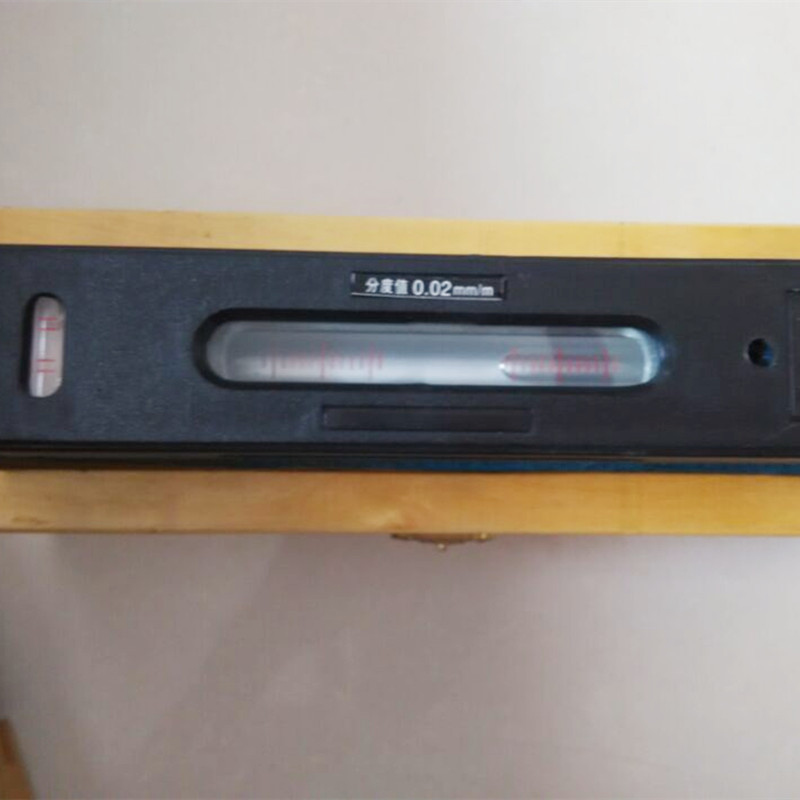
Using a Horizontal Spirit Level for Accurate Measurements in Construction Projects
Understanding the Horizontal Spirit Level A Guide to Precision and Accuracy In the realms of constru

water hose check valve
Understanding the Importance of Water Hose Check Valves Water hose check valves are essential compon
 English